House cleaning for dust mites, allergens and germs

Dust mites and pet dander call for a different approach than germs on a door handle. Start by identifying what matters most in your home. At the walkthrough, we can put dust-prone rooms, high-touch surfaces and hard-to-reach areas on your cleaning checklist.
Reduce dust where it settles
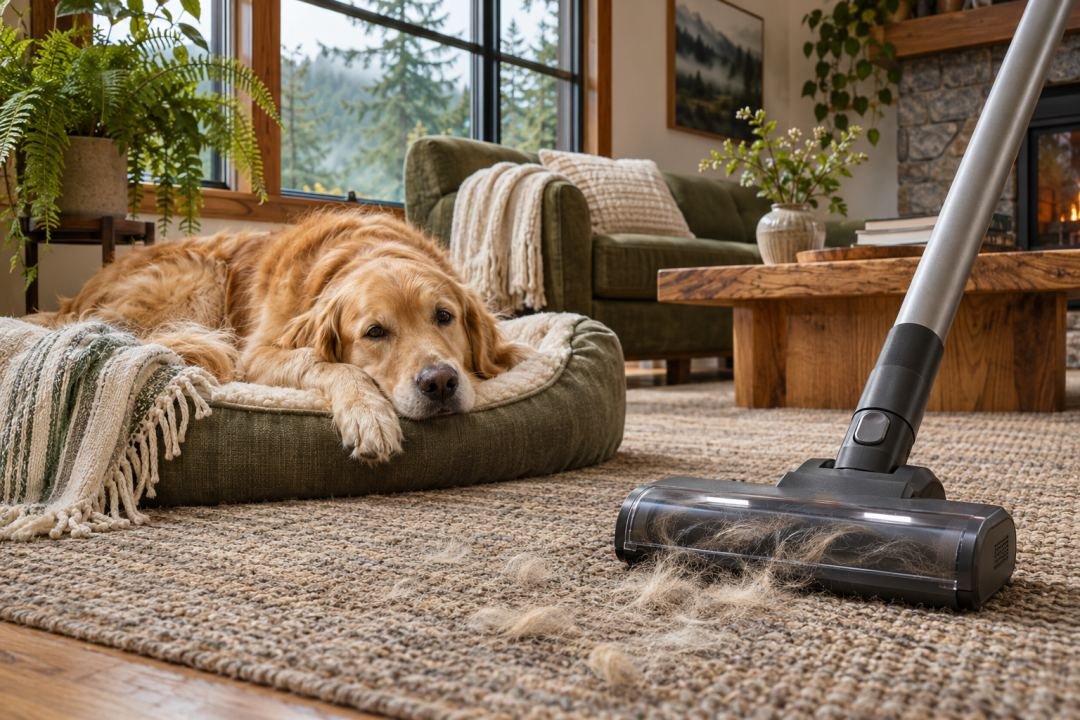
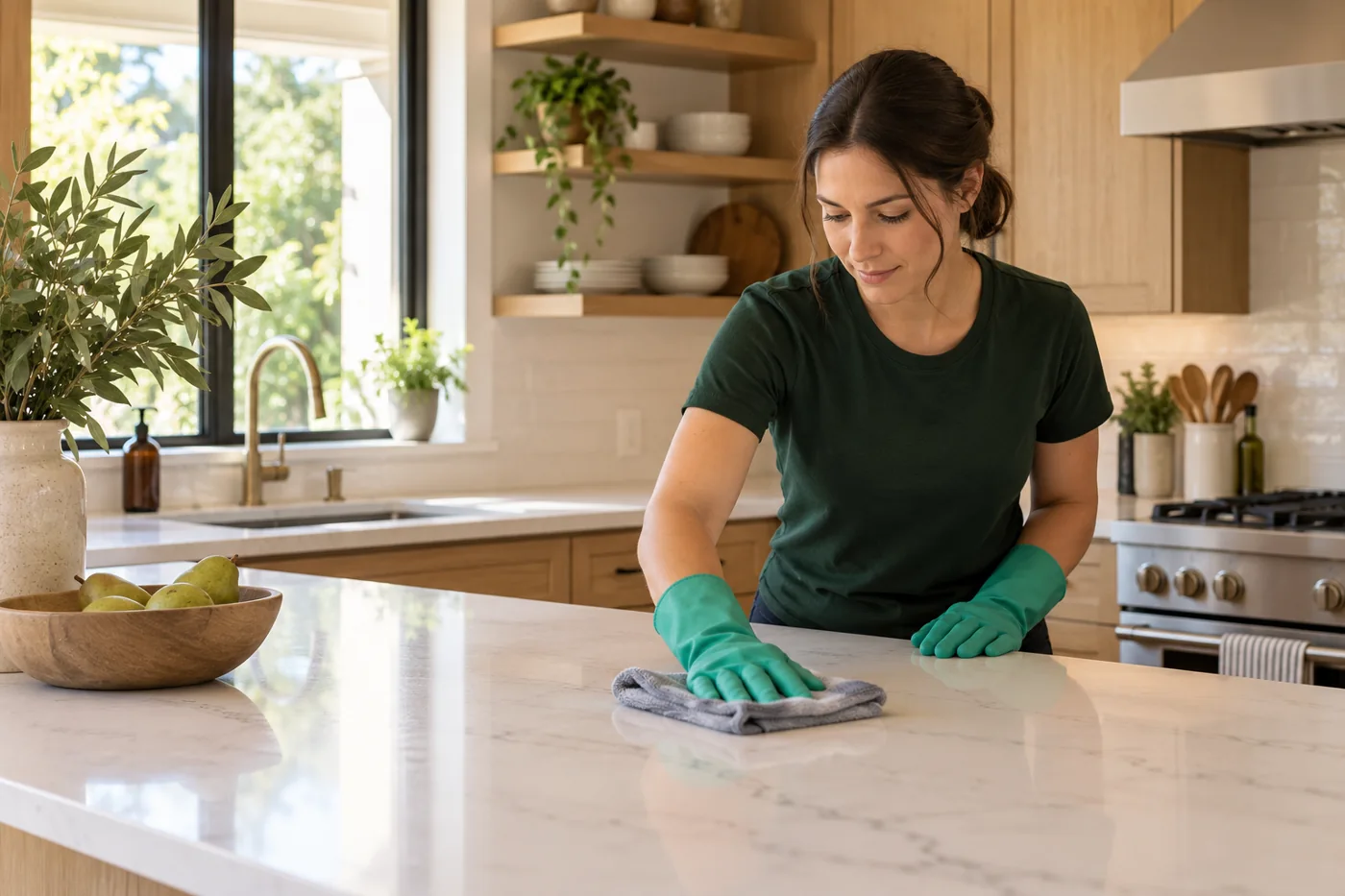
Health Canada recommends damp wiping or mopping hard surfaces and vacuuming carpets and soft furnishings regularly. A vacuum with a HEPA filter can help trap small particles. For dust mites, Health Canada also recommends managing indoor humidity, washing linens regularly and using dust-mite-resistant covers on mattresses and pillows. Health Canada’s dust and dust mite guidance
Know when disinfection is useful
Cleaning physically removes dirt and some germs. Disinfection uses a suitable product to kill or deactivate certain bacteria and viruses on compatible surfaces. When disinfection is appropriate, clean first, use a product authorized for the surface and intended purpose, and follow its label for contact time and ventilation. Never mix cleaning products. Discuss any requested disinfection with us during the walkthrough so the scope is clear. Public Health Agency of Canada’s cleaning and disinfection guidance
Declutter just enough to reach the surface
Start with a bedside table, counter or entryway. Put loose items in a basket, clear the floor, and set aside papers or fragile objects you want left alone. Clearing those areas gives your cleaner better access to dust and dirt. If a room needs sorting before cleaning can start, bring it up at the walkthrough so you can agree on priorities.
Discuss your home and cleaning priorities during a paid, one-hour walkthrough.
Plan your first visit